




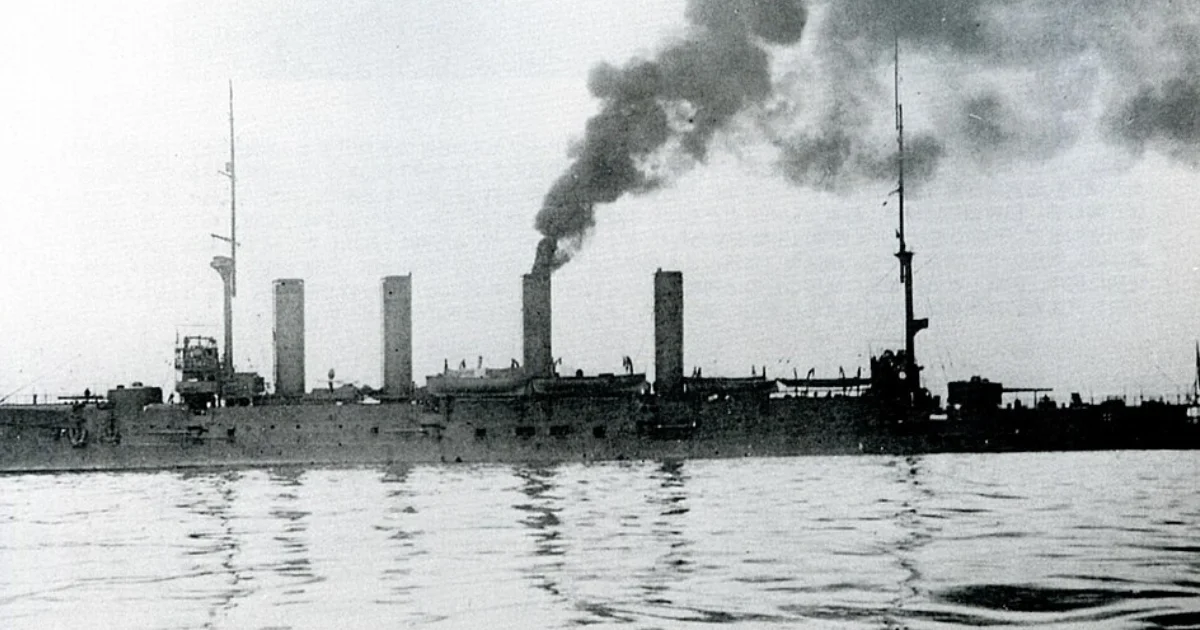
In 1910, the quiet seaside of Freshwater became the unlikely backdrop for a rare moment of international goodwill, when 29 officers of the Imperial Japanese Navy visited the beach to witness an exhibition of bodysurfing and lifesaving — hosted by none other than the Freshwater and North Steyne surf clubs.
Read: Heritage-Listed Freshwater Restaurant Granted Extended Use Approval
The visit was part of a larger training voyage for midshipmen aboard two Japanese cruisers, Aso and Soya, which had recently arrived in Sydney Harbour. The ships, both storied relics of the Russo-Japanese War, had drawn fascination from Australians and naval observers alike.
Not only had they been built for the Russian navy, but they were also among the spoils of Japan’s stunning victory in that conflict, which had established it as a major naval power. The Aso, formerly the Bayan, had been built in France; the Soya, once called Varyag, hailed from American shipyards.

The goodwill tour saw the fleet dock at major Australian ports from Townsville to Fremantle, but it was at Freshwater that diplomacy took a delightfully local turn.
The invitation came from the Queenscliff, Freshwater and Harbord Progress Association, eager to showcase their stretch of coast and the surf culture beginning to take hold. The Japanese sailors were received at The Kiosk, a hub of local life that served refreshments, housed the post office, and provided a space for community meetings.
Awaiting the officers that day were demonstrations by local surf lifesavers — including, according to reports at the time, “lady experts” who showcased bodysurfing techniques with grace and daring. It was a uniquely Australian welcome: sun, surf, and community spirit on full display.
The visit was a small but symbolic moment during a time of shifting global power. Just five years earlier, Japan had stunned the world with its naval triumph over Russia. Yet here, at a beach thousands of kilometres from Port Arthur and Tsushima, sailors from the once-warring nations were greeted not with suspicion, but surfboards and smiles.
After departing Sydney on March 27, the cruisers continued their tour, calling at Hobart, Melbourne, Adelaide, Albany, and Fremantle, before sailing home via Singapore. The ships would return to Sydney once more in 1912, but their legacy lingered long after.
In the decades to come, Soya would be returned to Russia and renamed Varyag, while Aso continued in the Japanese fleet until being sunk as a target ship in 1932.
Read: Pilu at Freshwater: Where Sardinian Tradition Meets Modern Cuisine
But for a single autumn afternoon in 1910, international relations took the shape of surf and sand — and the waves of Freshwater bore witness to a quiet, unforgettable chapter in Australia’s coastal history.
Published 25-July-2025