




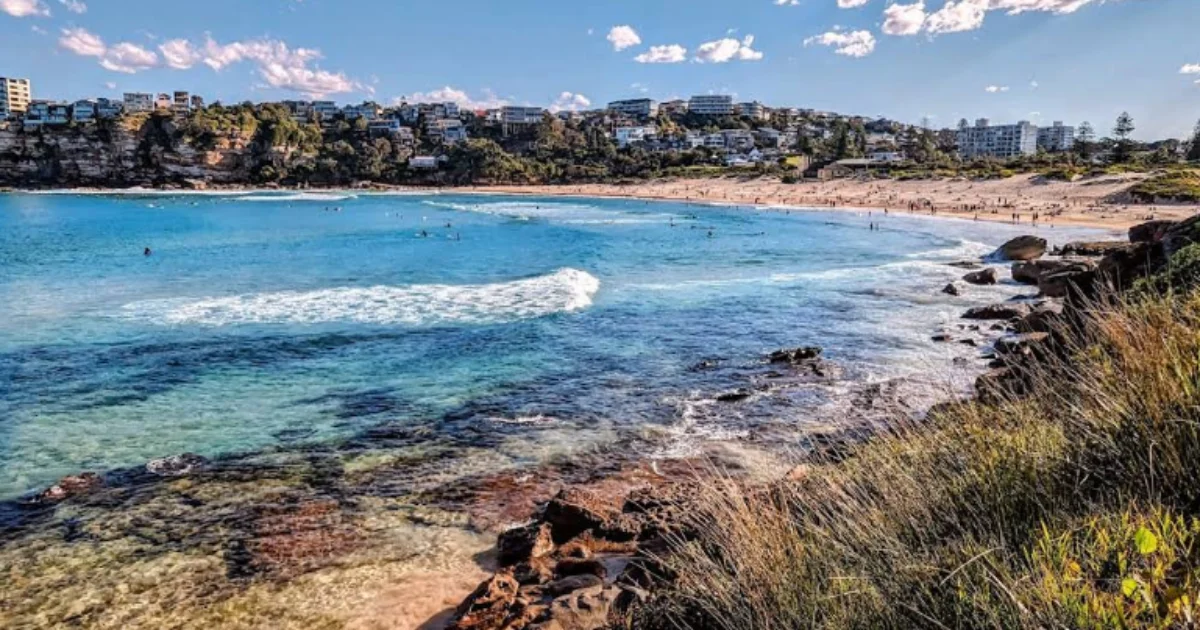
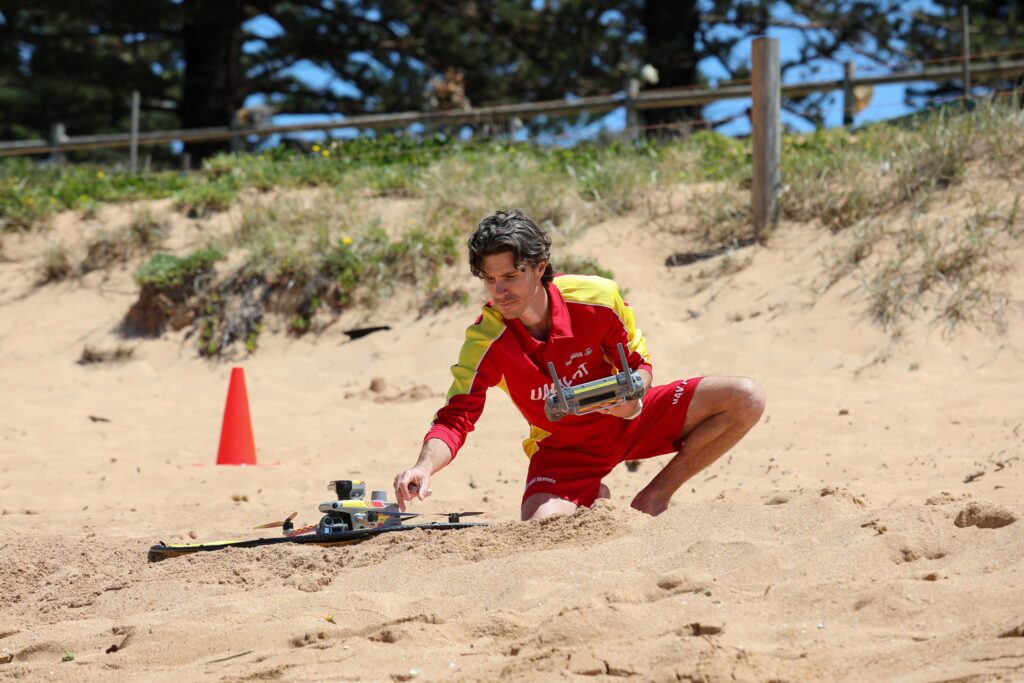
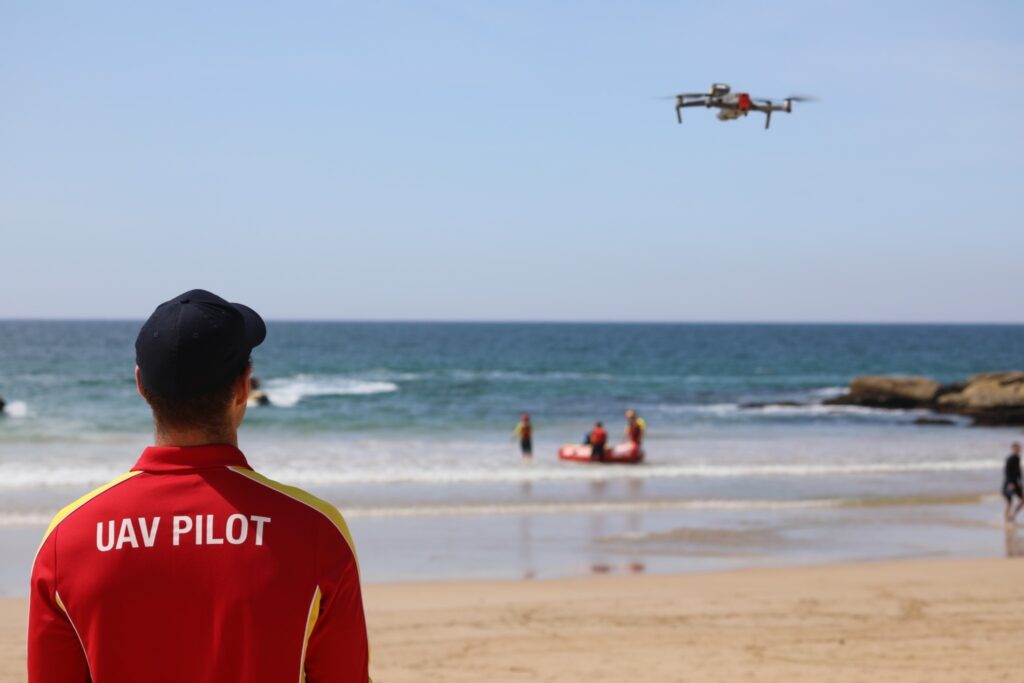
Daily drone patrols are now flying over Freshwater Beach as part of a $4.2 million shark safety package rolled out across NSW following four shark attacks in 48 hours in January 2026.
Read: Freshwater Lifeguards Rescue Exhausted Paddlers Battling Strong Headwinds
Surf Life Saving NSW expanded its aerial surveillance program on 24 January, adding 30 beaches to its drone network — 19 of them in Sydney, including Freshwater. Patrols are scheduled to run every day until the end of the April school holidays.
Four attacks occurred between Sunday 18 and Tuesday 20 January. On 18 January, a 12-year-old boy died in hospital after being attacked by a suspected bull shark at Nielsen Park in Vaucluse, having jumped from a rock ledge into Sydney Harbour.
The following morning, a boy at Dee Why Point escaped injury when a shark bit a large section from his surfboard. That same Monday evening, a surfer in his 20s was attacked while surfing at North Steyne Beach in Manly, sustaining severe leg injuries that resulted in amputation. He was transported to Royal North Shore Hospital in a critical condition.
On Tuesday 20 January, a 39-year-old surfer at Point Plomer near Port Macquarie was knocked from his board by a suspected bull shark, sustaining minor lacerations before being discharged from hospital.
NSW Police noted the heavy rainfall that preceded the attacks, with more than 120mm falling on Sydney on 18 January. Surf Life Saving NSW CEO Steve Pearce noted that the Point Plomer attack took place near a river mouth, and said water quality across the Northern Beaches had been too poor for safe swimming or surfing in the immediate aftermath of the attacks.
Scientists will tag and monitor bull sharks across Sydney Harbour and connected estuaries, with a focus on high-risk periods following storms and heavy rain. Additional underwater listening stations will be installed in the harbour to provide faster alerts when tagged sharks are detected nearby.
Freshwater sits alongside Avalon, Mona Vale, Collaroy and North Narrabeen among the 19 Sydney locations newly added to the drone program. A further 11 regional beaches — including Crowdy Head, Killcare and Windang — are also coming online. Pearce said the expansion represents a 90 per cent increase in the statewide drone surveillance program, adding approximately 35,000 flying hours across the season. He said the aerial program gives authorities the ability to detect sharks early and provide warnings to beachgoers.
The SharkSmart public education campaign is also being upgraded, with new beach signage, a mobile education van and increased social media alerts all part of the rollout.
NSW Minister for Agriculture, Regional and Western NSW, Tara Moriarty, said there was no single solution to shark safety and that no authority could guarantee completely safe conditions in the ocean. She said the focus was on deploying a range of tools to keep the public informed.
Read: Freshwater Beach Ocean Pool Closed After Swimmer Dies in Tragic Incident
The measures build on NSW’s existing Shark Management Program, which includes 305 SMART drumlines, shark nets at 51 beaches between Newcastle and Wollongong, and 37 listening stations along the coast. A separate $2.5 million funding boost in December had already extended drone operations earlier in the season, added weekend patrols and distributed 150 shark bite kits to regional communities.
Published 20-February-2026


